
Home Remodeling Across Dallas-Fort Worth
Five Star Renovation DFW remodels houses and commercial spaces across Tarrant County and the rest of the Metroplex. Residential work covers kitchens, bathrooms, flooring, additions, garage conversions, interior work from a single wall to a whole house, exterior work from siding to covered patios, painting, and new homes on your lot. Commercial work covers office, retail, restaurant, medical and dental build-outs and refreshes. The logo reads Dream. Design. Build. Remodel. The ten pages linked below cover that work, room by room.
The Houses Around Fort Worth
The housing stock explains most of the work. About half of the homes in Haltom City were built before 1980, and the 1950s is the single largest decade. Nearly half the houses in North Richland Hills went up in the 1970s and 1980s, and six in ten in Arlington were built between 1970 and 1999. Fort Worth itself is split, with 43 percent of its houses built in 2000 or later and a fifth built before 1960.
Houses from the 1950s through the 1970s tend to have closed kitchens, small hall baths, and a formal living room that goes unused. That drives wall removals and tub to shower conversions. Two story plans from the 1980s and 1990s usually have the open layout already, so the work is cabinets, counters, tile, floors and paint. Nearly all of it sits on a slab poured over expansive clay, with brick veneer outside, single pane aluminum windows on the older ones, and an attic that reaches 130 degrees in July. Every page on this site comes back to those facts.
Permits and Codes in the Metroplex
Texas adopts the International Residential Code and lets each city amend it, as the Texas State Law Library explains, so the rules shift at the city line. The pattern across Fort Worth, Haltom City and the suburbs is consistent. A permit is required for anything structural, for moved plumbing or gas, for new circuits, for additions, for garage conversions, and in Fort Worth for 16 square feet or more of replaced drywall. Paint, flooring, cabinets, counters and trim in the same place are cosmetic and exempt in most cities. Southlake also permits window replacement, and Keller asks for an asbestos survey on any part of a building being remodeled. Plumbers and electricians are registered with the state; the city inspects their rough-in before a wall closes. Each city's building department is linked from its service area page.
Materials and Options
Cabinets come in stock, semi custom and custom lines, painted or stained, or refaced. Counters come in quartz, granite, marble, butcher block, porcelain and laminate. Floors come in plank, tile, laminate, engineered wood, hardwood, carpet and stained concrete. Showers come in porcelain, marble look, subway and mosaic tile on a waterproofed pan. Siding comes in fiber cement, engineered wood and vinyl. Windows come in vinyl and fiberglass. Paint comes from Sherwin-Williams and Benjamin Moore. The service pages cover what each option is good for and where it is the wrong choice.
Pick the Page That Fits
Each service below has its own page with the options, the North Texas facts that apply and the questions people ask. A project that crosses several pages, which most do, is quoted as one job.
Residential and commercial
What We Remodel
Pick a service to see the options and the questions people ask.
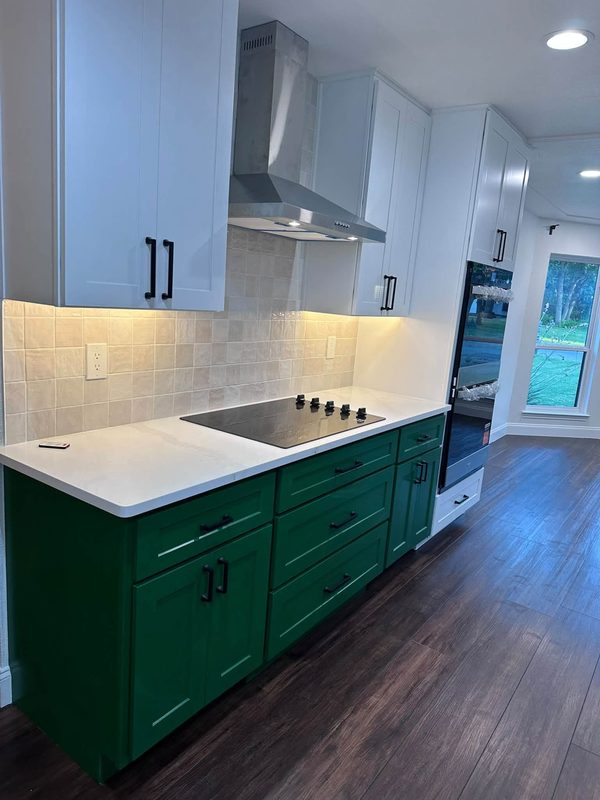
Kitchen Remodeling
Stock, semi custom and custom cabinets, quartz and granite counters, backsplash, islands, lighting and opened walls.
Kitchen Remodeling details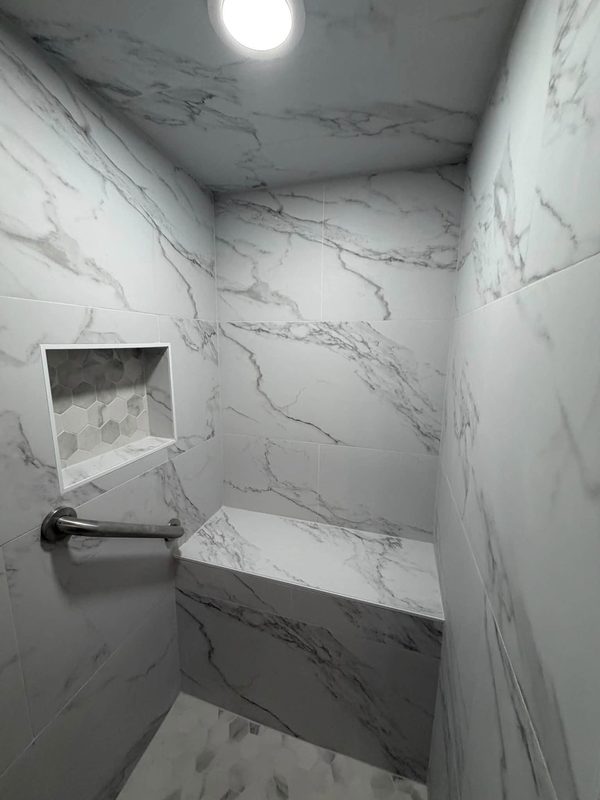
Bathroom Remodeling
Tub to shower conversions, tile showers with benches and niches, vanities, tile floors, toilets and fixtures.
Bathroom Remodeling details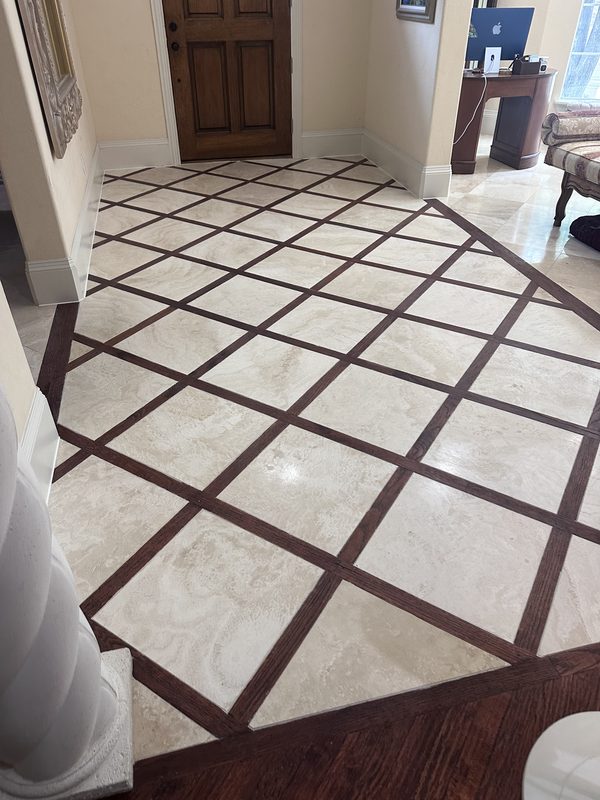
Flooring
Plank, tile, laminate, engineered wood, hardwood, carpet and stained concrete on a slab ground flat first.
Flooring details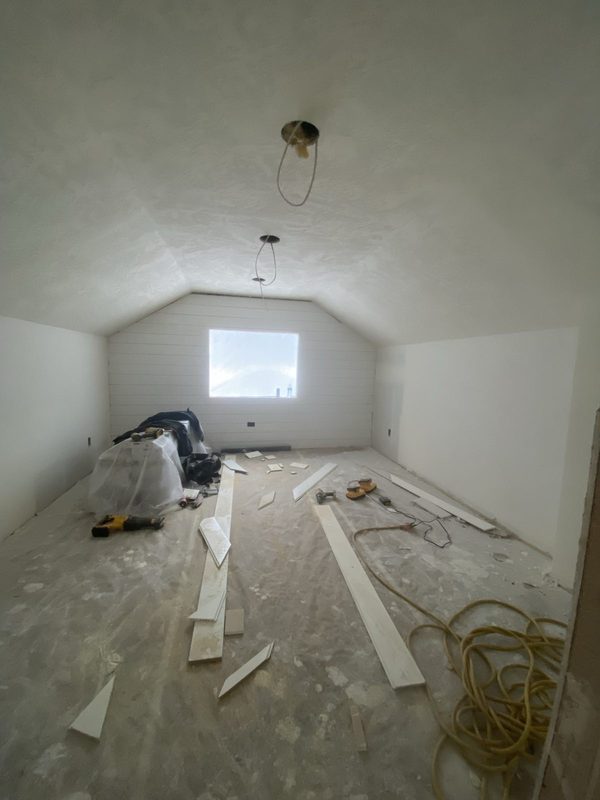
Home Additions
Bedrooms, master suites, in-law suites, second stories, sunrooms and bump-outs on an engineered foundation.
Home Additions details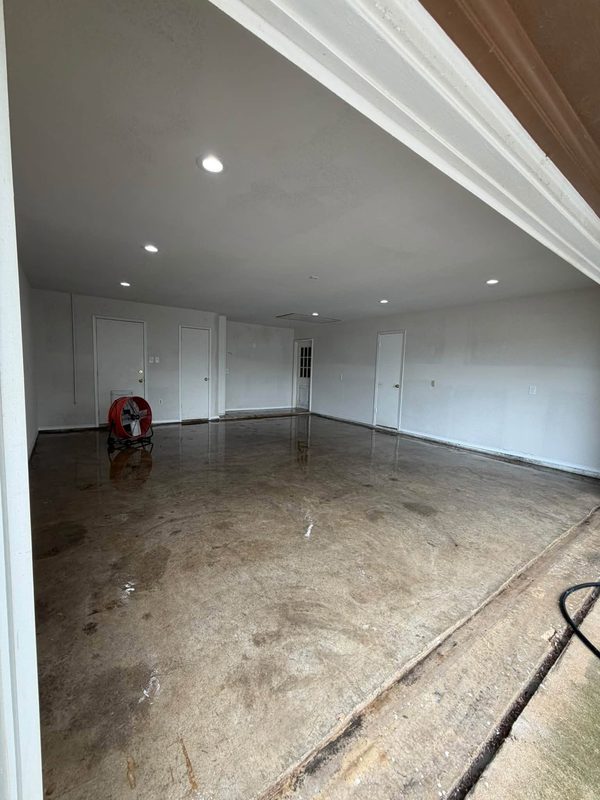
Garage Conversions
Bedrooms, offices, gyms and apartments with insulation, drywall, electrical, a mini split and a level floor.
Garage Conversions details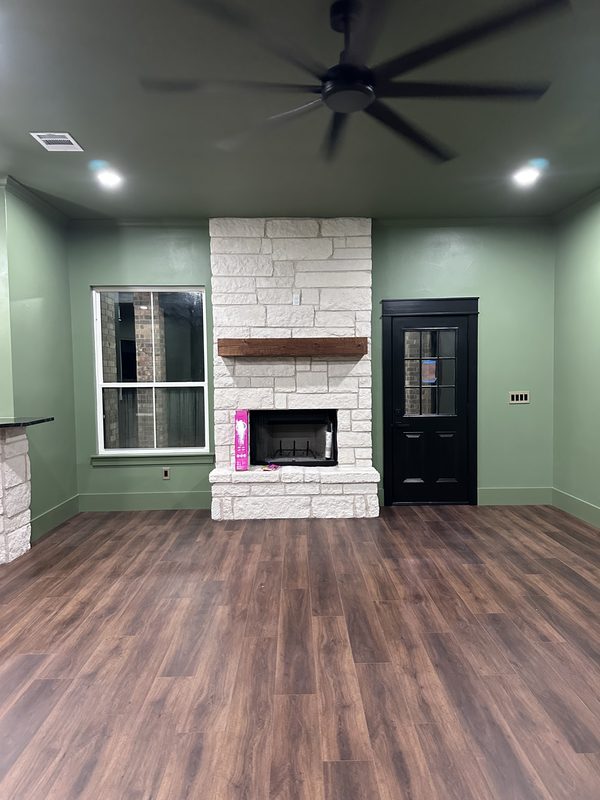
Interior Remodeling
Walls removed, drywall and texture, insulation, trim, built-ins, doors and ceilings in one room or the whole house.
Interior Remodeling details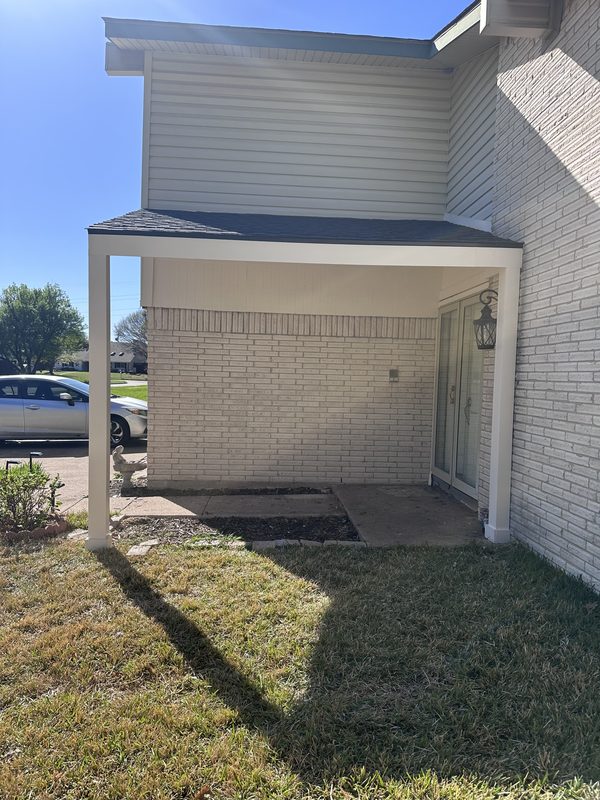
Exterior Remodeling
Fiber cement siding, double pane windows, doors, covered patios, pergolas, stucco and brick repair.
Exterior Remodeling details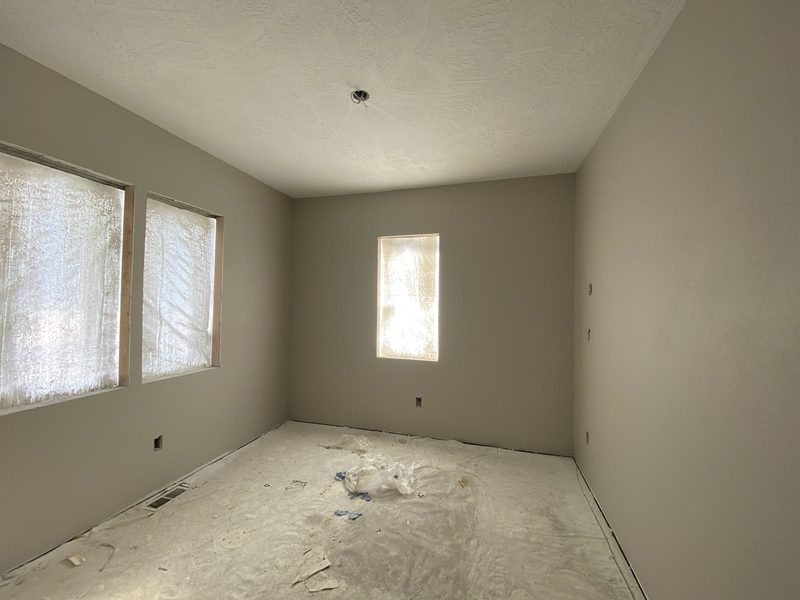
Painting
Interior, exterior and cabinet painting, limewash on brick, and stain on beams and doors, with the prep first.
Painting details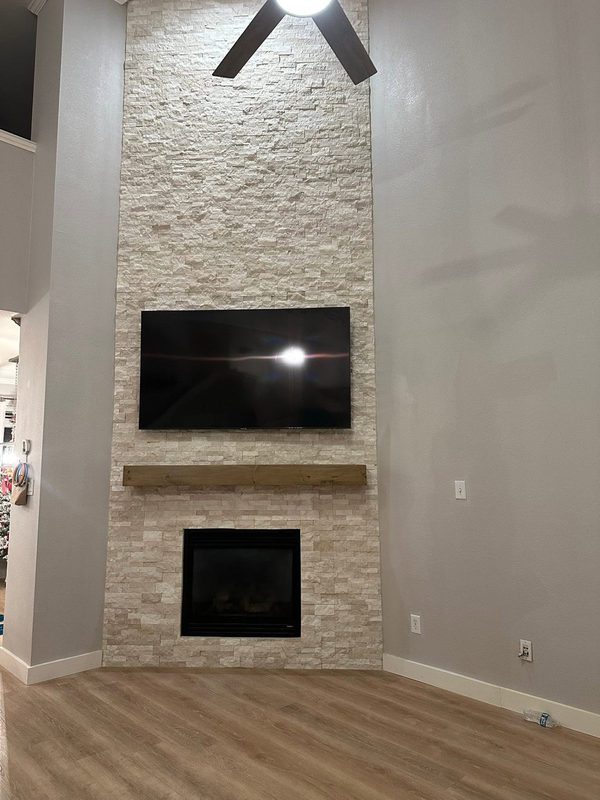
Custom Homes
New houses on your lot with a post tension slab engineered for North Texas clay and a full interior finish.
Custom Homes details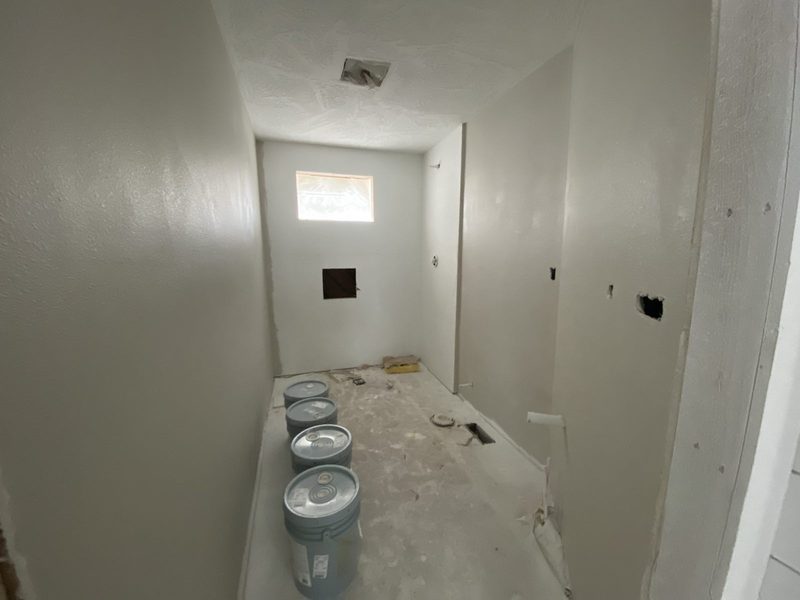
Commercial Remodeling
Office, retail, restaurant, medical and dental build-outs, tenant improvements and refreshes.
Commercial Remodeling detailsQuestions We Get
What kind of remodeling do you do?
Where do you work?
What usually turns up behind the walls of an older DFW house?
What is the difference between a remodeling contractor and a general contractor?
What is the difference between cosmetic and structural remodeling?
Does remodeling an older house mean dealing with lead or asbestos?
What is a change order?
Do houses in historic districts have extra remodeling rules?
Not sure which page fits?
Describe the room and the city.