Home/Service Areas/Tarrant County Remodeling Contractor
Tarrant County Remodeling Contractor
Home county. Fort Worth, Arlington and the Mid-Cities from a base in Haltom City.
Remodeling Across Tarrant County
Tarrant County, Texas is the third most populous county in Texas, with 2,110,640 people at the 2020 census and Fort Worth as the county seat. Five Star Renovation DFW is based in Haltom City, inside the county, so the Mid-Cities, Fort Worth and Arlington are the shortest drives on this site. The county went from 361,253 people in 1950 to 1,170,103 in 1990 and 1,809,034 in 2010, and its housing tracks that curve.
About 20 percent of the county's homes were built before 1970, mostly in Fort Worth, Haltom City, Arlington and the older Mid-Cities. The 1980s is the largest decade at 18 percent, followed by the 2000s at 19 percent and the 2010s at 14 percent. More than a third of the housing stock, 36 percent, was built in 2000 or later, concentrated in north Fort Worth, Keller, Mansfield and the Alliance corridor.
What the Eras Mean for a Remodel
Pre-1970 houses in the county tend to be ranches and bungalows with closed kitchens, small baths, galvanized plumbing and single pane windows; the oldest are pier-and-beam, the 1950s subdivisions slab. The 1970s and 1980s houses in Arlington, North Richland Hills, Hurst, Bedford and Euless are brick on slabs with oak kitchens and garden tubs. The 1990s and 2000s houses in Keller, Southlake, Grapevine and Mansfield are large two-story plans that already have open kitchens and need finish upgrades, media rooms finished and third garage bays converted.
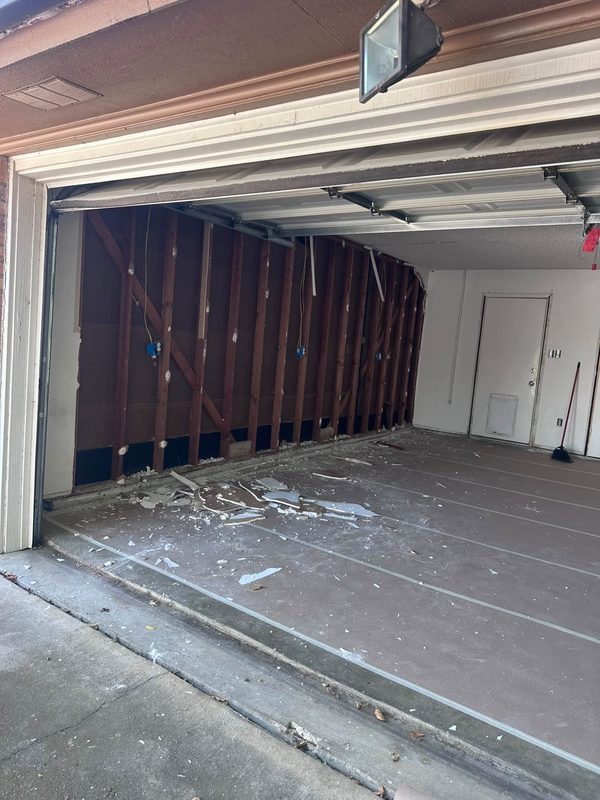
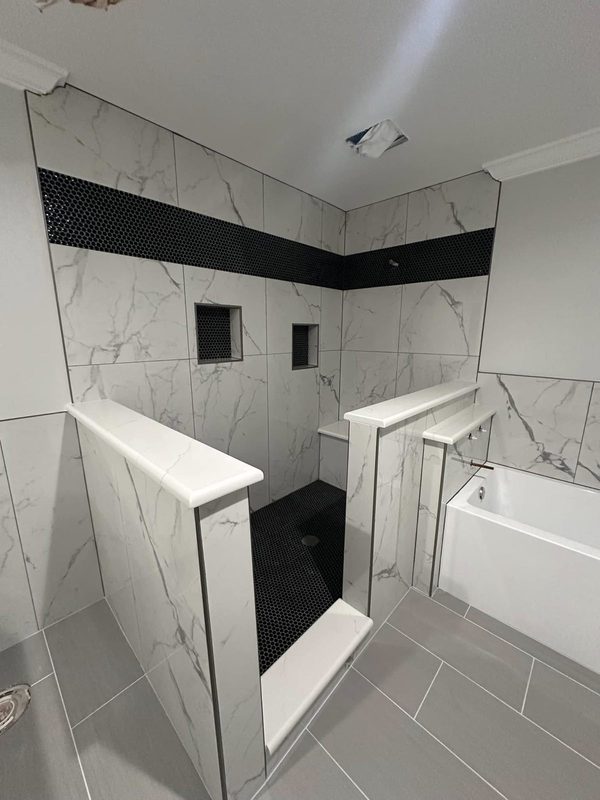
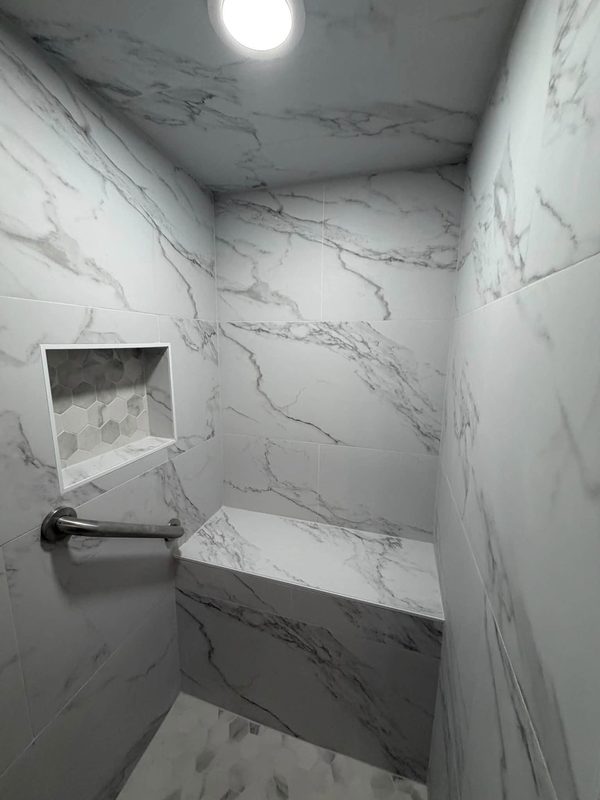
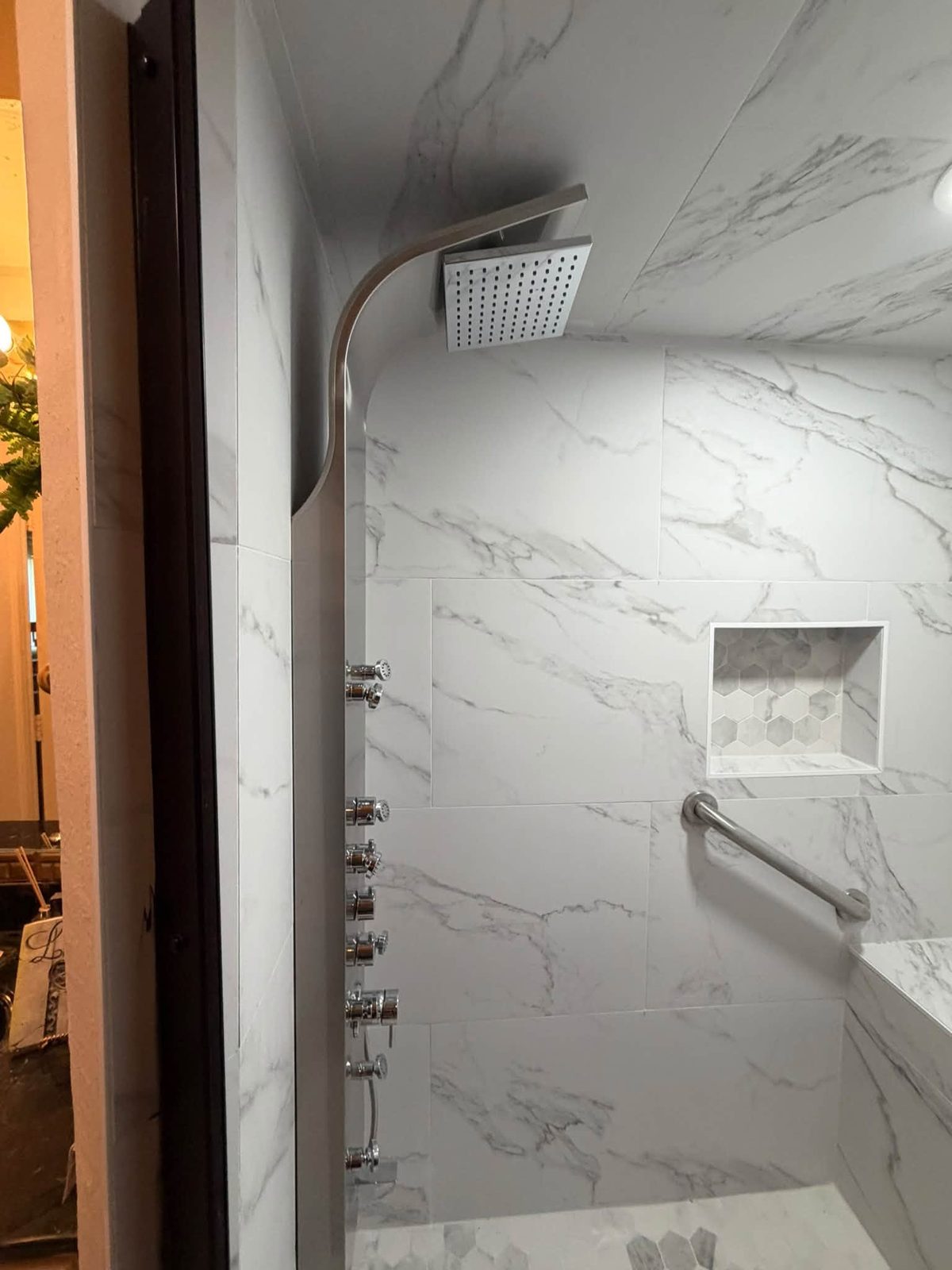
The jobs that come up most across the county are kitchen remodeling, tub to shower conversions, plank and tile flooring over slabs and garage conversions, followed by additions on the larger lots north of Keller Parkway and in Southlake and Mansfield.
Permits in Tarrant County Cities
Every city in Tarrant County runs its own building department. Those include Fort Worth Development Services, Arlington Planning and Development Services and Haltom City Planning and Community Development, and the same pattern runs through Keller, Southlake, Grapevine, Mansfield and North Richland Hills. Each city page on this site names the office and links to it. Most cities exempt paint, cabinets, counters and flooring. They require a permit for wall changes, new circuits, plumbing moves, additions and garage conversions, but the details differ. Keller requires an asbestos survey on remodels, Southlake registers general contractors, and Fort Worth counts replaced drywall by the square foot.
Unincorporated Tarrant County is different. The county's guidelines for unincorporated development state that the county does not issue building permits for residential homes and has no zoning. Its Fire Marshal issues construction permits for commercial buildings, floodplain work needs a county floodplain permit, and septic systems go through Tarrant County Public Health. Property records and the square footage a permitted addition adds are kept by the Tarrant Appraisal District.
Cities and Roads
The county's cities include Fort Worth, Arlington, Haltom City, North Richland Hills, Keller, Southlake, Grapevine, Mansfield, Hurst, Euless, Bedford, Colleyville, Watauga, Richland Hills, Saginaw and Benbrook. I-20, I-30, I-35W, I-820, SH 121, SH 183, SH 360 and US 287 tie them together, and DFW Airport sits partly inside Grapevine and Euless on the county's east edge. The Tarrant County government site covers the county offices in downtown Fort Worth, where the pink granite Tarrant County Courthouse, finished in 1895, still anchors the north end of Main Street.
Cities We Serve in Tarrant County
Recent Work
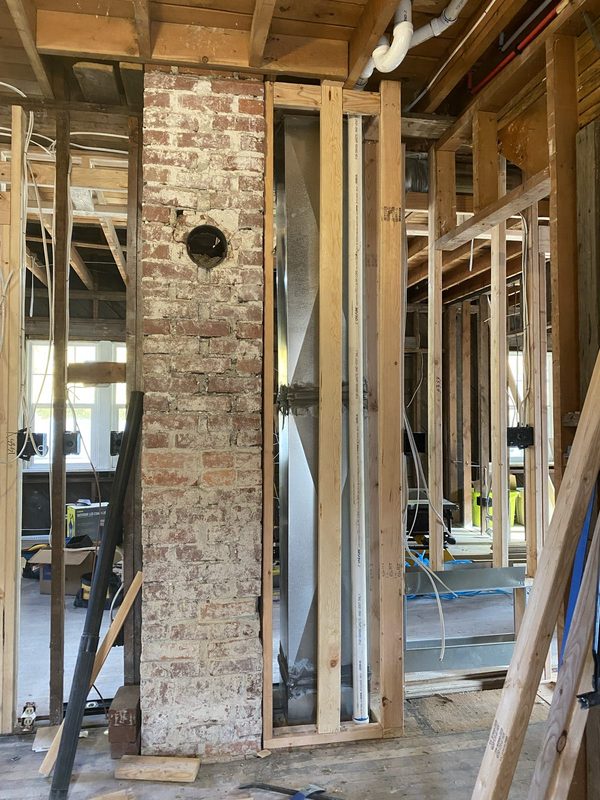
Photos from jobs across Dallas-Fort Worth.